
What we do is costly! Your support will help us dig more stories.
Yes, I'm Interested!Ignorance isn't always bliss | Don't stay foolish.
Keep informed | Read our news and analysis.
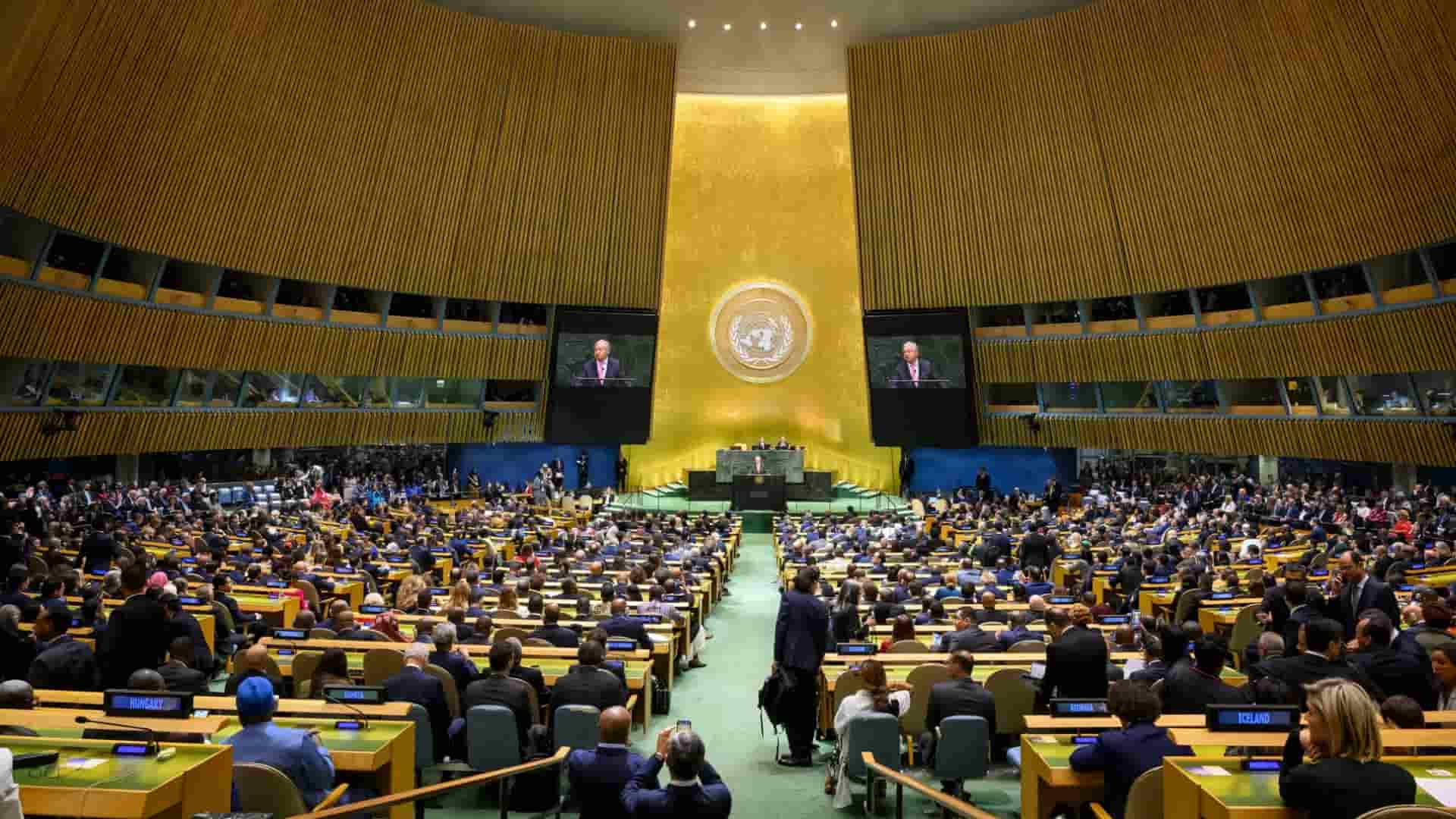
Nepal will have an additional three years to prepare for its transition out of the United Nations' Least Developed Country (LDC) category after the UN General Assembly unanimously approved an extension of the country's graduation preparatory period until November 24, 2029.
The decision, adopted under Resolution 81/L.8 during the 81st session of the General Assembly in New York, also applies to Bangladesh. Both countries had been scheduled to graduate from the LDC category on November 24, 2026.
The extension follows Nepal's formal appeal to the UN Committee for Development Policy (CDP) to defer its graduation, with the government arguing that the country faced significant economic risks and was not adequately prepared to absorb the consequences of losing LDC-specific international support.
Foreign Minister Shishir Khanal submitted the request in a letter to the CDP chairperson on May 13, 2026. Foreign Ministry spokesperson Lok Bahadur Poudel Chhetri confirmed the government's move at a press briefing on May 22, saying Nepal had sought a three-year postponement.
The government highlighted the economic fallout from conflicts in West Asia, uncertainty in the international political environment and disruptions to global supply chains as major reasons for seeking more time. It also cited a World Bank projection that Nepal's economic growth would stand at just 2.3 percent in the current fiscal year.
Another major concern was the potential loss of preferential trade arrangements following graduation. The withdrawal of duty-free and quota-free market access could undermine Nepal's export competitiveness and put employment in productive industries at risk. Government officials warned that the impact on jobs in some productive sectors could reach 35 percent.
The government also pointed to delays in implementing its Smooth Transition Strategy, alongside a still-fragile recovery from the COVID-19 pandemic. Climate-related risks and mounting external economic pressures have further complicated the country's preparations.
Instability in West Asia has affected remittance flows, which remain a major source of foreign currency for Nepal. Higher international prices of fuel, food and fertilisers have also increased pressure on domestic economic activity, tourism and production costs.
The General Assembly's approval gives Nepal more time to address these challenges before the withdrawal of benefits associated with its LDC status. The government intends to use the extended period to improve industrial and productive capacity, strengthen public institutions, increase economic competitiveness and advance broader economic and social reforms.
It has also pledged to accelerate the implementation of the Smooth Transition Strategy, the UN 2030 Agenda for Sustainable Development and the Doha Programme of Action to support a more sustainable transition.
Nepal has remained on the UN's LDC list since 1971. It first met the graduation thresholds in 2015 and subsequently qualified in further assessments. In 2021, the General Assembly approved its graduation and granted an exceptional five-year preparatory period, taking into consideration the economic disruptions caused by the COVID-19 pandemic.
Nepal subsequently met all three graduation criteria: the Human Assets Index, the Economic and Environmental Vulnerability Index, and the Gross National Income per capita threshold.
Read More Stories
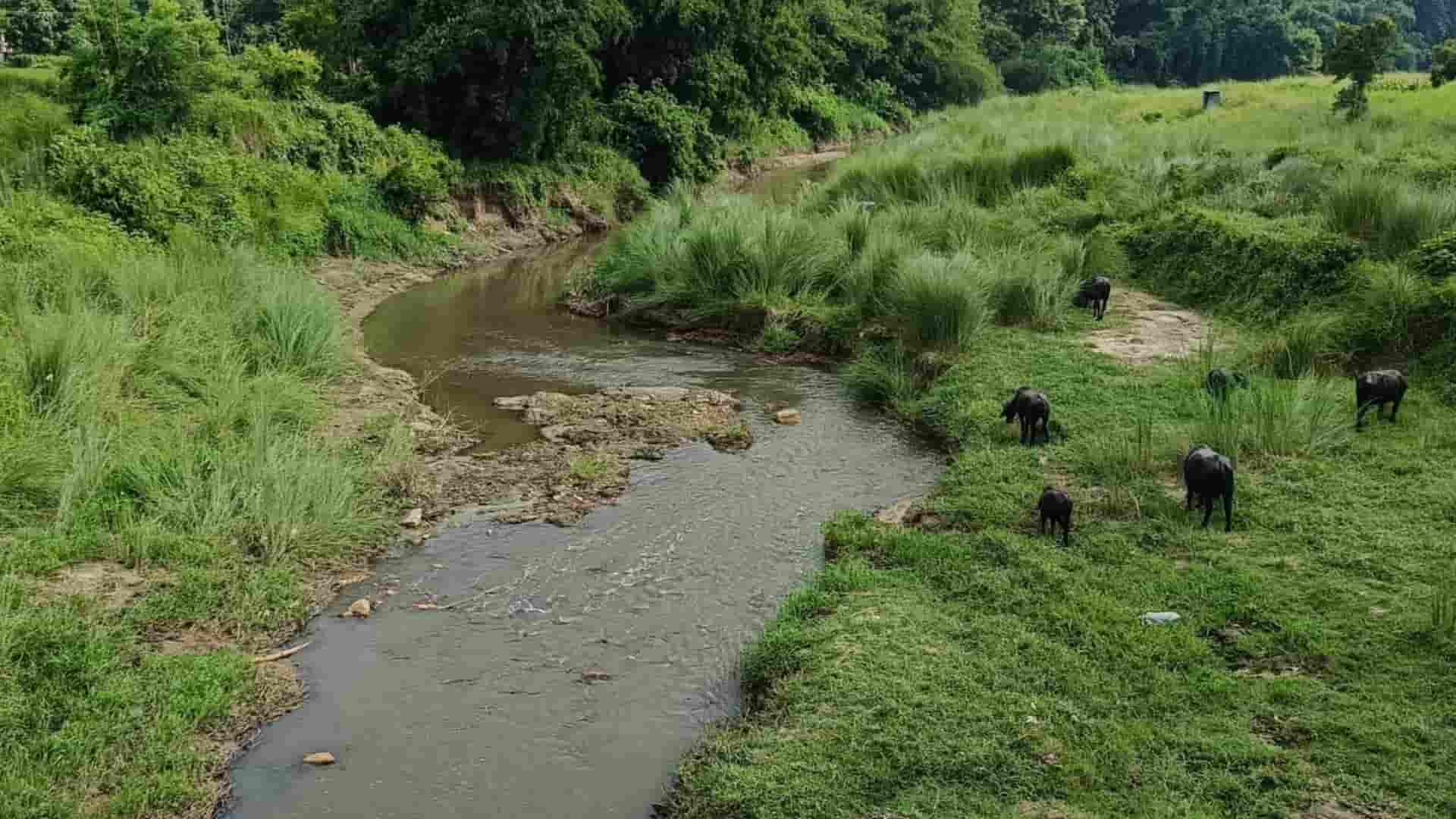
Four decades of pollution, another promise to revive Sirsiya River
SIRSIYA, RIVER, POLLUTION. If you come across these three keywords in the same...

Supreme Court orders for medicinal and industrial Cannabis regulations within three months
The Supreme Court has directed the government to introduce regulations allowing the controlled...
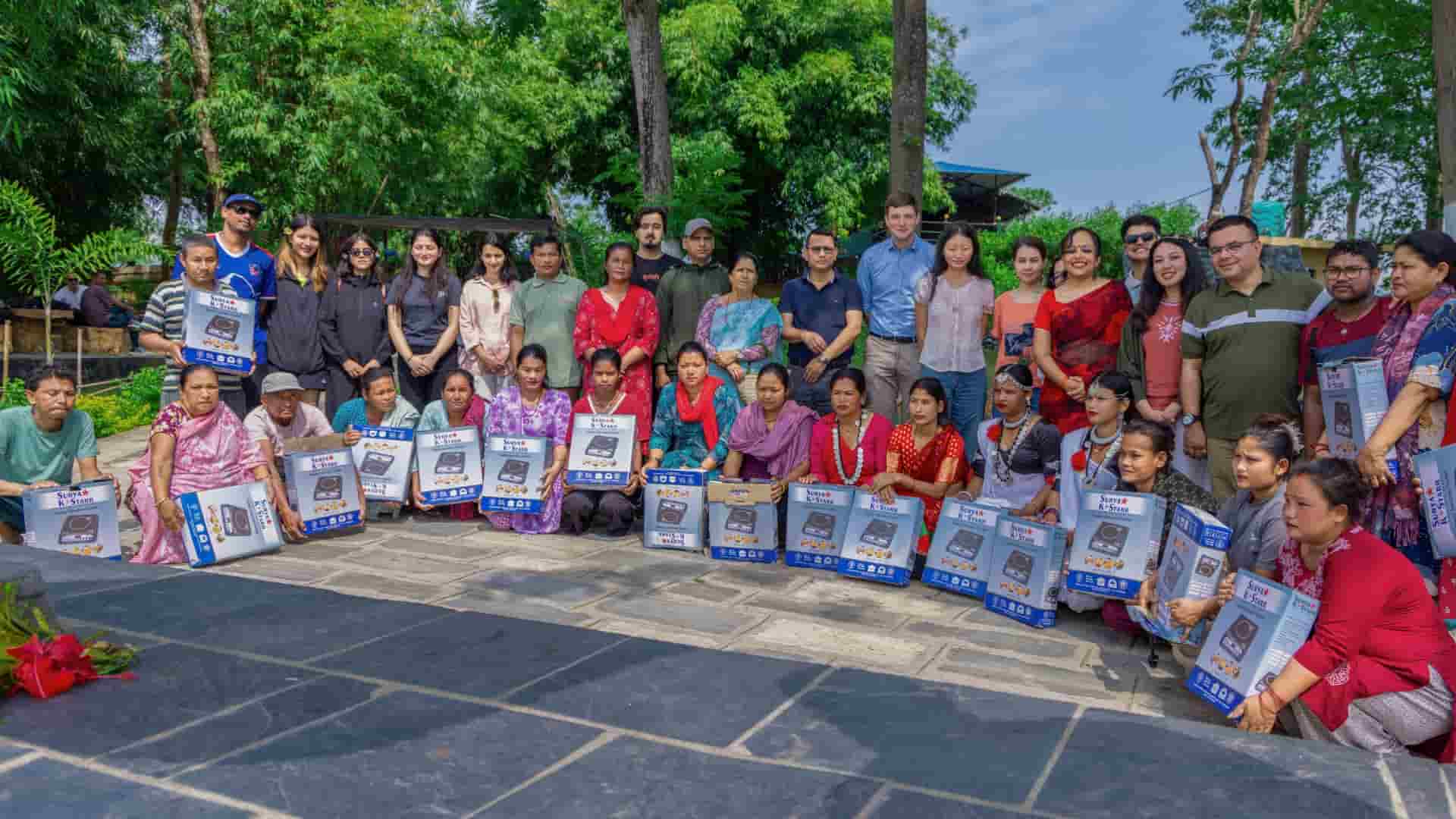
A cleaner, safer way to cook for Chitwan’s Bote community
For the Bote community of Patihani in Chitwan, collecting firewood has long been...