What we do is costly! Your support will help us dig more stories.
Yes, I'm Interested!Ignorance isn't always bliss | Don't stay foolish.
Keep informed | Read our news and analysis.
Sirsiya River Pollution | Parsa-Bara Industrial Corridor | Birgunj Pollution
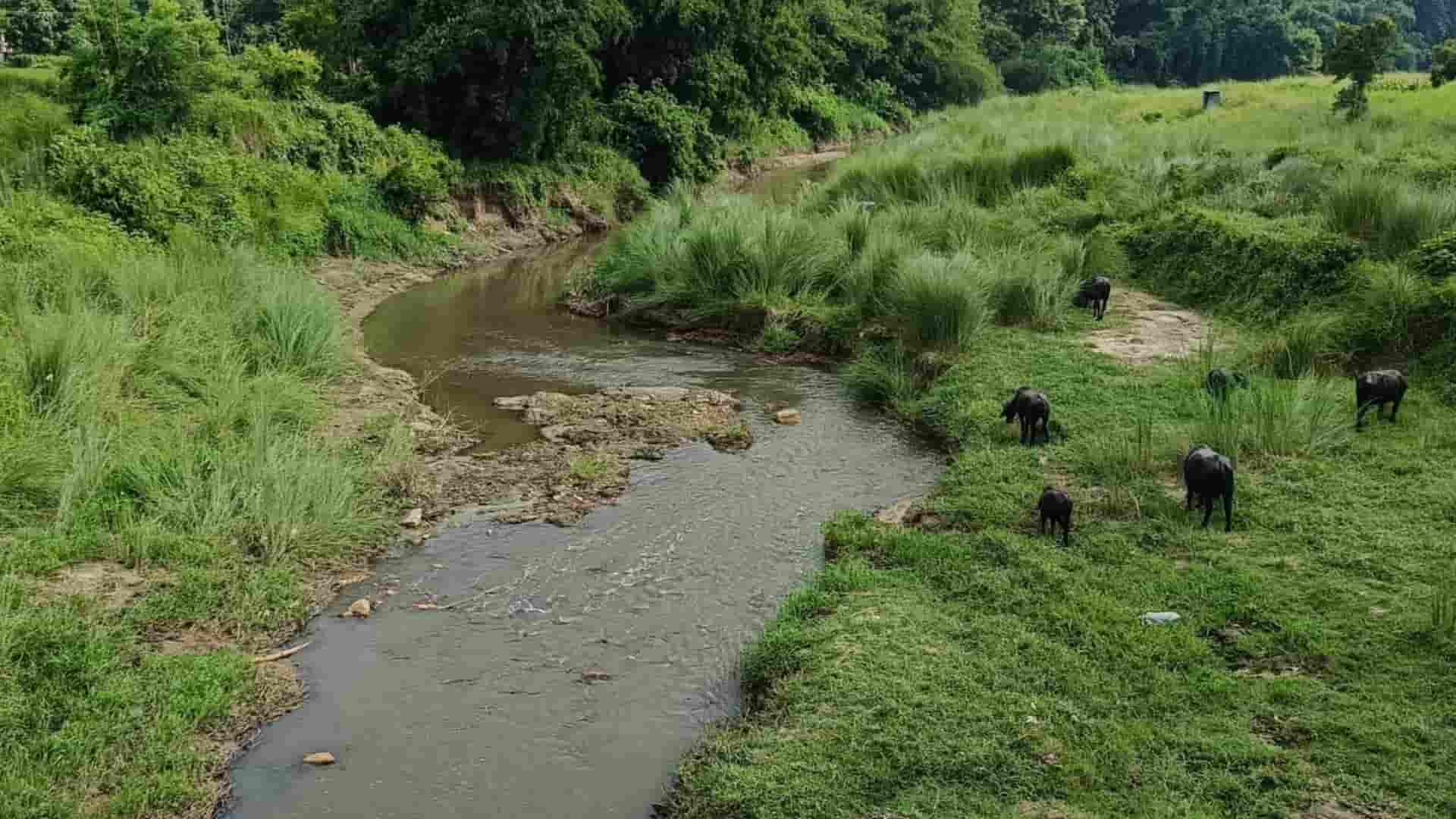
SIRSIYA, RIVER, POLLUTION. If you come across these three keywords in the same news cycle, do not bother looking for a calendar. It is probably either Chhath Mahaparva or elections around the corner. Or perhaps a government, local or federal, is looking to demonstrate that it is doing something about one of the region’s most persistent environmental problems.
The latest round of attention comes just days before Chhath, with authorities in Parsa announcing another set of measures to control pollution in the Sirsiya River, or Sarisawa in the local vernacular. An all-party and all-stakeholder meeting chaired by Chief District Officer Bhola Dahal on Saturday adopted a five-point plan to address the river's deteriorating condition.
Birgunj Metropolitan City (BMC) Mayor Rajeshman Singh, representatives of political parties, industrialists and government officials attended the meeting.
Under the agreement, industries operating along the Parsa-Bara industrial corridor must operate their effluent treatment plants (ETPs) round the clock at full capacity. They will be prohibited from discharging chemically contaminated wastewater into the river without treatment.
The meeting also decided to explore a common effluent treatment plant for small and medium-sized industries that cannot afford individual facilities. The Birgunj Chamber of Commerce and Industries (BiCCI) will lead efforts to identify suitable land and conduct a feasibility study, with government subsidies expected to support the initiative.
BMC and neighbouring local governments will also work towards constructing alternative drainage channels to divert municipal sewage away from the river. A joint Sirsiya River Conservation Fund, with contributions from all three tiers of government, is planned to finance long-term restoration.
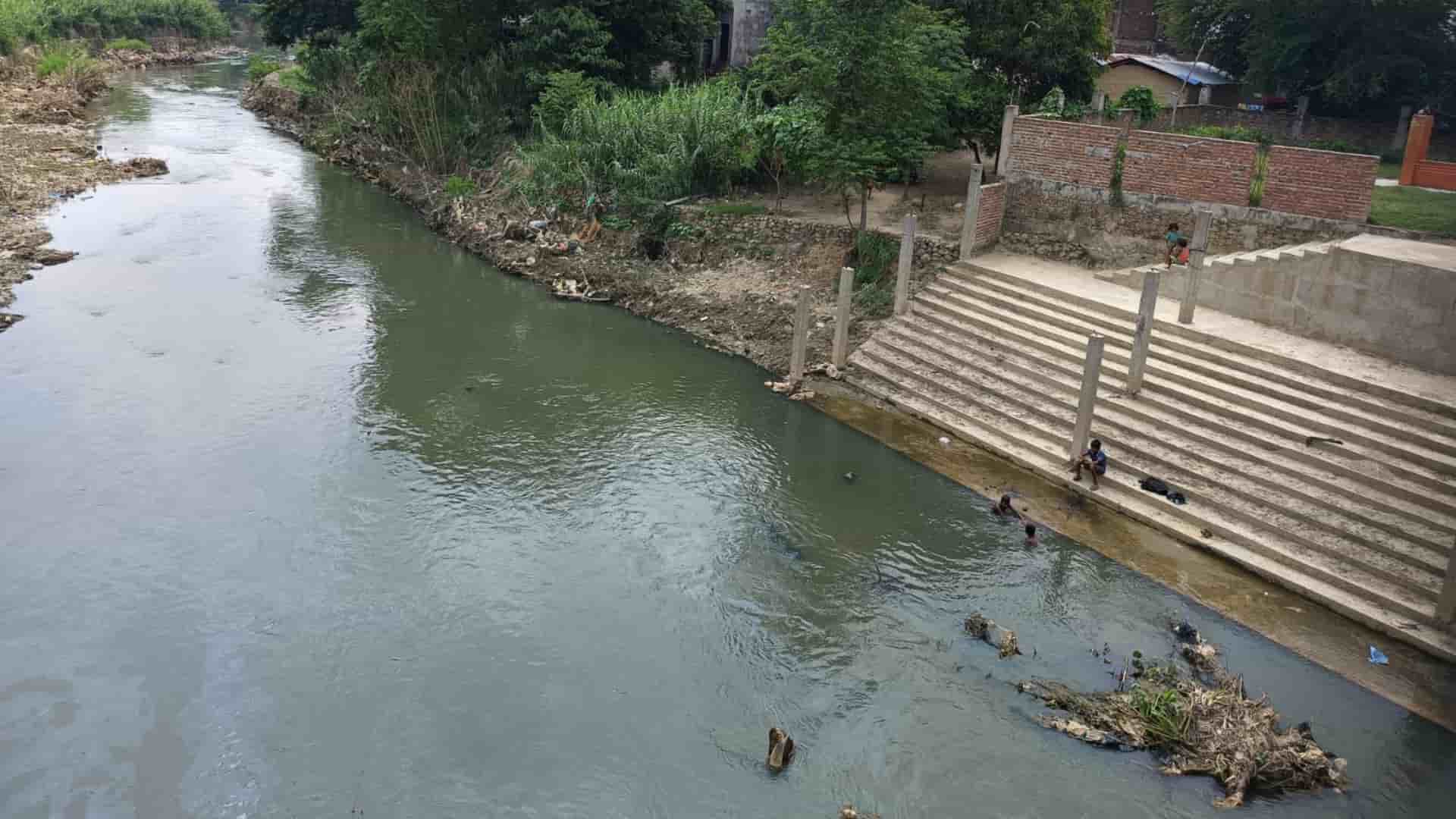
The latest decisions are not the first attempt to address the river's deteriorating condition.
A government committee formed around 2010 had identified 48 major sources of pollution in the river, 46 of them factories and industries along the industrial corridor. The committee recommended that polluting industries install wastewater treatment plants, but most failed to comply.
In 2019, the Janakpur High Court directed BMC to take effective measures to control pollution in the river following a public interest litigation filed by local lawyer Surendra Kurmi. However, the order did not bring about a lasting improvement.
Kurmi, who leads the Sarisawa River and Pollution-Free Birgunj Campaign, told Mongabay in January 2026 that efforts to hold industries and authorities accountable had repeatedly stalled because of jurisdictional disputes between government agencies. The police, district administration and the metropolis had passed responsibility among themselves, he said.
There have also been instances of direct enforcement. In November 2019, police arrested the owner and manager of a leather factory in the Parsa-Bara industrial corridor on charges of polluting the river. The arrests followed repeated requests to the factory to stop discharging toxic waste.
In May 2023, a group of 25 residents marched from Birgunj to Kathmandu carrying samples of polluted river water to draw the federal government's attention to the problem.
At the time, BMC had decided to fine five firms NRs 300,000 each for polluting the river. However, the metropolis’s chief administrative officer later said that the fines had not been paid. Mayor Singh had said the metropolis was considering revoking the licences of firms that failed to pay.
The same year, industrialists along the corridor had agreed to install wastewater treatment plants within a week and release only treated water into the river. The commitment was not fulfilled.
The scale of non-compliance was still evident in 2025. A survey of 122 factories along the corridor found that only 21 had installed basic wastewater treatment plants, of which just 13 were operational, according to BMC’s Environment Inspector Prakash Bahadur Air.
Air also said that polluting industries had been fined up to NRs 1.5 million over the preceding three years. Yet the pollution persisted.
The problem was particularly visible during Chhath last year. Despite the festival’s cultural significance and repeated requests to industries to stop discharging waste, locals reported that untreated industrial effluents continued to enter the river. Some devotees had to use artificial ponds for rituals because of the polluted water.
Government intervention has continued this year. On September 7, Industry Minister Gauri Kumari gave industries along the corridor a one-week ultimatum to improve their waste management practices, warning of action against those violating environmental standards.
On October 30, the Department of Industry issued another directive asking industries not to discharge untreated wastewater directly into rivers and streams. It also announced plans for joint monitoring and inspections involving the Department of Environment, provincial industry offices, district administrations and local governments.
The latest agreement comes just two days after that directive, raising questions about how the new commitments will be enforced and whether authorities will act against industries that continue to violate environmental standards.
The Sirsiya River originates in the Ramban area of Bara district and flows through the Parsa-Bara industrial corridor, including Birgunj, before entering India. Its pollution has affected communities on both sides of the Nepal-India border, with residents reporting foul odours, contaminated water and difficulties using the river for agriculture and religious rituals.
The latest five-point plan acknowledges that restoring the river requires more than temporary restrictions on industrial discharge. However, the publicly reported decisions do not specify a deadline for establishing the common treatment plant, a budget for the conservation fund or a clear enforcement mechanism with publicly disclosed compliance targets.
With previous directives and agreements failing to deliver lasting results, the effectiveness of the latest initiative will depend on whether authorities monitor industrial discharge consistently, make polluters accountable and ensure that the proposed infrastructure is actually built.
The river does not need another promise. It needs industries to stop treating it as a drain, authorities to enforce the rules they have already announced, and a cleanup effort that lasts longer than the Chhath headlines. Until then, the Sirsiya will remain a reminder that in Nepal, declaring a river clean is often easier than making it so.
Read More Stories
Supreme Court orders for medicinal and industrial Cannabis regulations within three months
The Supreme Court has directed the government to introduce regulations allowing the controlled...
A cleaner, safer way to cook for Chitwan’s Bote community
For the Bote community of Patihani in Chitwan, collecting firewood has long been...
Friday evening democracy: When the state acts and the courts go home
The police arrived at newsrooms on Friday afternoon. They searched offices, questioned journalists...