What we do is costly! Your support will help us dig more stories.
Yes, I'm Interested!Ignorance isn't always bliss | Don't stay foolish.
Keep informed | Read our news and analysis.
innovation | government | university | industry

Introduced in the 90s, the ‘Triple Helix Model of Innovation’ captures the dynamic relationship and interplay between the government, industry (private sector), and academia (university).
First theorized by Henry Etzkowitz and Loet Leydesdorff in the 1990s, with the publication of “The triple helix, university-industry-government relations: A laboratory for knowledge-based economic development”, it explains social formats for the production, transfer, and application of knowledge.
The interaction between two or more actors creates a self-sustaining cycle of innovation and converges over time into triple-helix university-industry-government relations.
Academia can engage in feasible research (basic or applied) along with industry and may then use these innovations to develop market-leading products and grow the economy.
Innovation can also help the government to solve critical problems at scales such as healthcare, education for all, and clean water.
Silicon Valley, USA is one of the most commonly cited examples of the triple helix model of innovation.
Silicon Valley is primarily an academic-led entrepreneurial university through Stanford University which engaged with industry and government (double helix interactions) that converged into triple helix university-industry-government relationships.
It was born through the intersection of a skilled science research base housed in area universities supported by plentiful venture capital, and steady U.S. Department of Defense spending.
The result is that Silicon Valley has become a world innovation hub while all the actors are in a win-win situation through taxes and job creation, innovation, problem-solving, profits, and opportunity to create knowledge inside a suitable research environment.
Does the National Innovation Centre founded by Mahabir Pun ring a bell?
Read More Stories
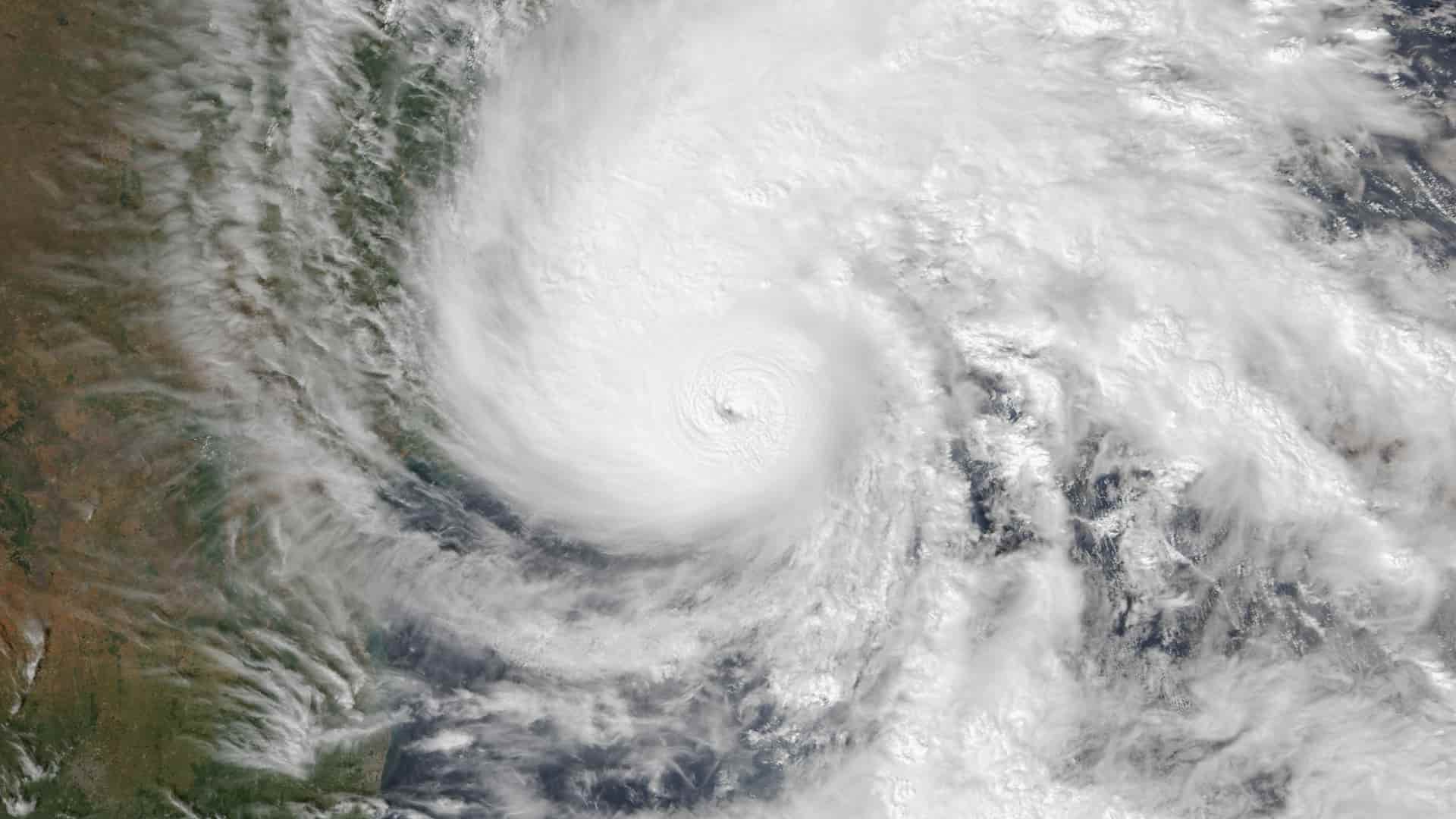
Why is the cyclone called Arnab? How storms get their names
When Cyclone Arnab approached Indias eastern coast this week, its name raised a...

NEPSE rises 33.29 points as hydropower stocks drive market rally
The Nepal Stock Exchange (NEPSE) rose 33.29 points, or 1.27%, to close at...
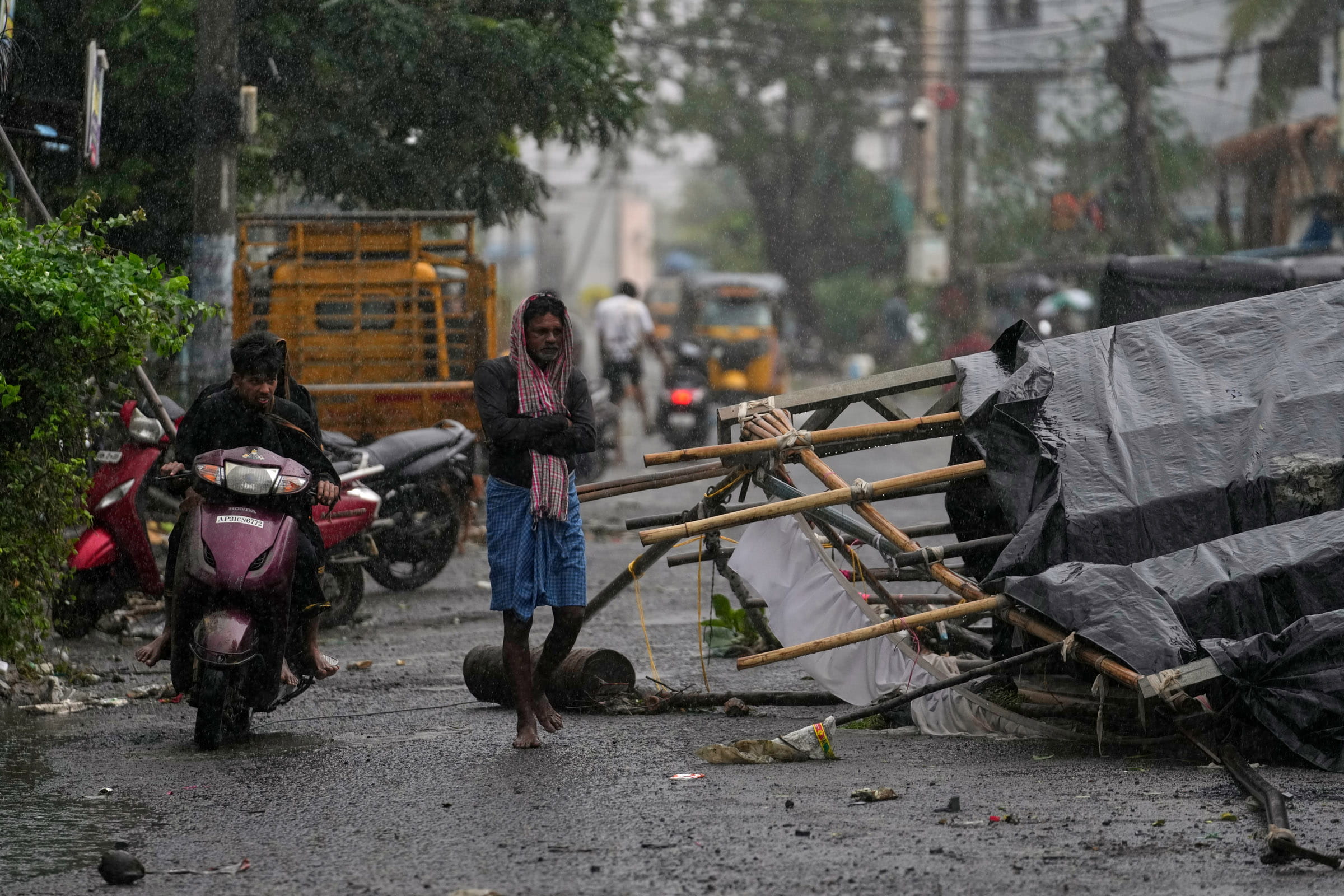
Nepal braces for heavy rain and snowfall as Cyclone Arnab hits India
Nepal braces for adverse weather from Thursday night as Cyclone Arnab, which made...