
What we do is costly! Your support will help us dig more stories.
Yes, I'm Interested!Ignorance isn't always bliss | Don't stay foolish.
Keep informed | Read our news and analysis.
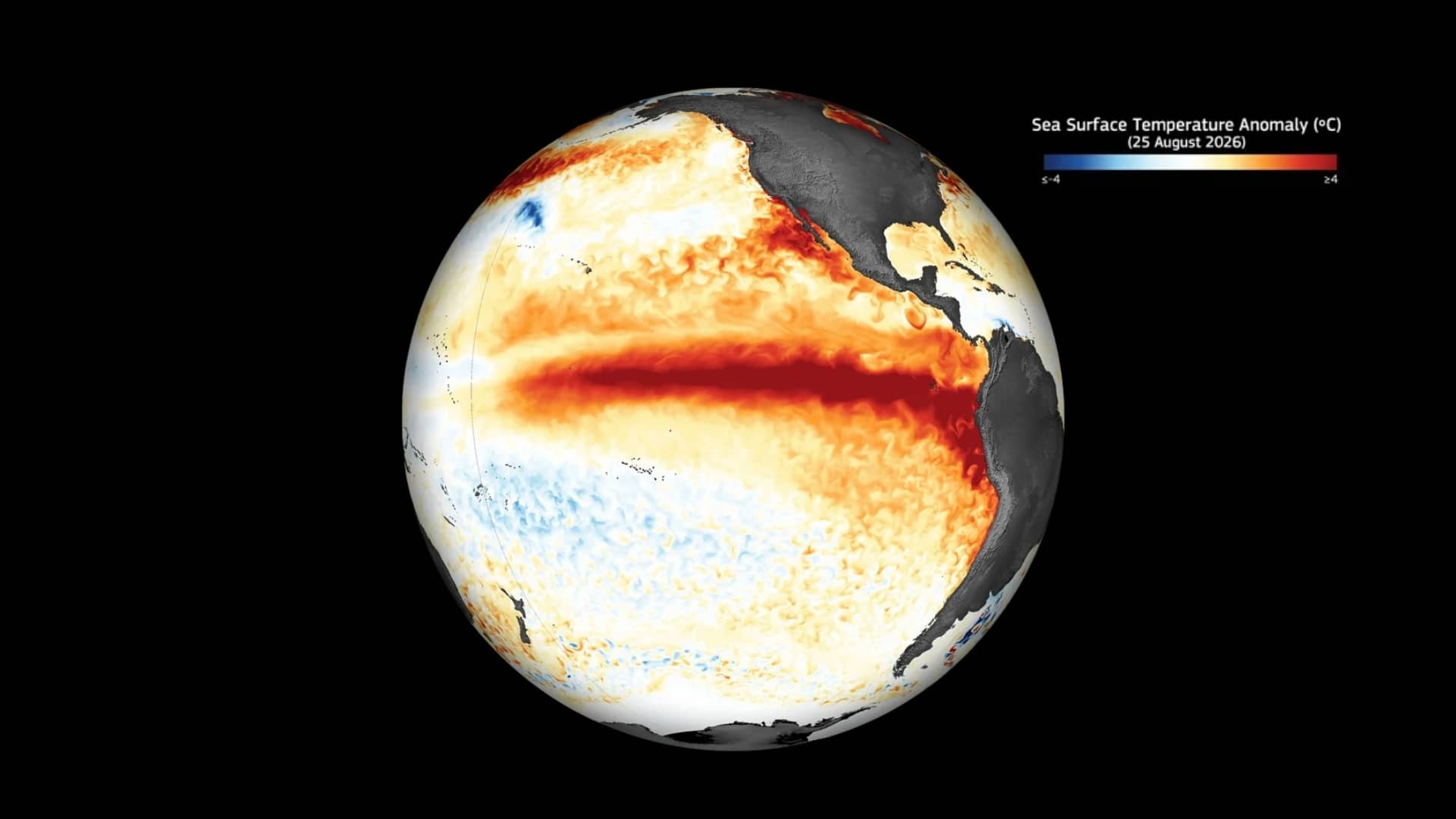
The El Niño weather phenomenon is expected to intensify further and peak in December 2026, potentially becoming one of the strongest events recorded since 1950, the United Nations’ World Meteorological Organization (WMO) has warned. The development could heighten the risk of droughts, floods and rising food prices across Asia and other parts of the world.
In its latest Global Seasonal Climate Update, the WMO said El Niño is likely to bring above-average temperatures to much of the globe and disrupt rainfall patterns through early 2027. The agency estimates that the phenomenon has a near-100% likelihood of persisting through February 2027.
Sea-surface temperatures in the central and eastern equatorial Pacific are forecast to reach exceptionally high levels during October–December 2026. The strengthening event could compound the effects of human-induced climate change, placing additional pressure on agriculture, ecosystems and vulnerable communities.
The warning comes as the Asian Development Bank (ADB) cautions that a potentially very strong El Niño could add to inflationary pressures across developing Asia and the Pacific, particularly by disrupting agricultural production and pushing food prices higher.
In its September 2026 Asian Development Outlook, the ADB said food prices have historically tended to rise in the year following very strong El Niño episodes. Palm oil, sugar and rice are among the commodities potentially exposed to supply disruptions.
The risk is particularly concerning as Asian economies are already facing elevated energy costs and geopolitical uncertainty. The ADB warned that a combination of renewed energy-market disruptions and a very strong El Niño could reduce regional economic growth in 2027 by 0.44% age points and increase inflation by 0.91% age points compared with its baseline projections.
The bank forecasts developing Asia and the Pacific to grow by 5.0% in 2026 and 5.1% in 2027, below the 5.5% expansion recorded in 2025. It also projects regional inflation at 4.2% in 2026 and 3.5% in 2027.
El Niño occurs when sea-surface temperatures rise above normal in the central and eastern equatorial Pacific, altering global atmospheric circulation and rainfall patterns. The WMO said temperatures in the region’s key monitoring area rose from 1.6°C above normal in June to 2.5°C in August, with the anomaly forecast to reach approximately 3.7°C during October–December.
According to WMO chief Celeste Saulo, the ocean is releasing heat accumulated in its waters, and the unusually warm conditions mean more heat is available to influence global temperatures.
The consequences are already being felt in some regions, including parts of Central America, where drought has damaged crops and contributed to animal deaths.
For Asia, the main concern is the potential impact on agricultural output, food availability and household spending. Reduced harvests could push up food prices at a time when higher fuel, fertilizer and transportation costs are already putting pressure on consumers and businesses.
The ADB warned that the combination of climate-related supply disruptions and energy-market volatility could create a difficult policy challenge for governments and central banks, forcing them to manage inflation while supporting economic growth.
Although the region remains economically resilient, the two institutions’ warnings underscore the growing connection between climate extremes, food security and economic stability. The severity of El Niño in the coming months will be an important factor shaping Asia’s inflation and growth outlook in 2027.
Read More Stories

NEPSE rises 33.29 points as hydropower stocks drive market rally
The Nepal Stock Exchange (NEPSE) rose 33.29 points, or 1.27%, to close at...
Nepal braces for heavy rain and snowfall as Cyclone Arnab hits India
Nepal braces for adverse weather from Thursday night as Cyclone Arnab, which made...

Dashain road crashes claim 124 lives nationwide, six killed in Monday’s SUV accident in Gulmi
Six people have died and three others have been injured after a Scorpio...