
What we do is costly! Your support will help us dig more stories.
Yes, I'm Interested!Ignorance isn't always bliss | Don't stay foolish.
Keep informed | Read our news and analysis.
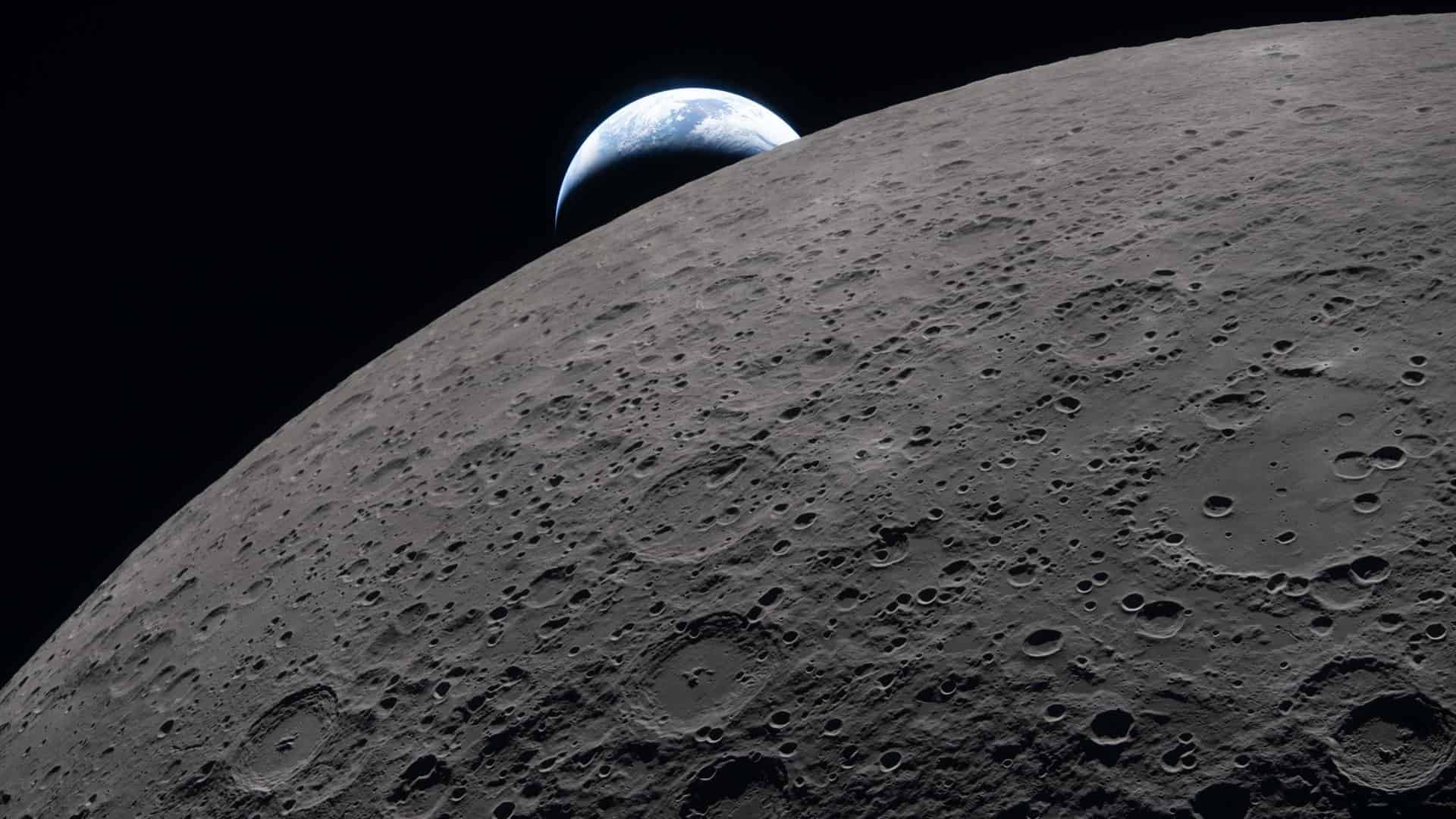
NASA’s Artemis II mission has set a new milestone in human space exploration, with four astronauts travelling farther from Earth than any humans before.
The Orion spacecraft named Integrity reached a record-breaking distance of 252,756 miles (406,771 kilometers), making Artemis II the farthest crewed mission in history. The previous record was held by Apollo 13, which achieved the feat in 1970.
The milestone was reached at about 1:56 p.m. Eastern Time, NASA said.
The four crew members are NASA commander Reid Wiseman, pilot Victor Glover, mission specialist Christina Koch, and Canadian Space Agency (CSA) mission specialist Jeremy Hansen.
It's not just a phase 🌕
— NASA (@NASA) April 8, 2026
Artemis II astronauts captured these views of the Moon as the Orion spacecraft flew around the far side of the Moon on April 6, 2026. pic.twitter.com/lT7245Gp28
The 10-day Artemis II journey began on April 1 with the rocket launching from NASA's Kennedy Space Center in the US state of Florida. It marked a significant step in renewed lunar exploration efforts after more than five decades.
The astronauts did not land on the Moon, but were scheduled to orbit it as part of the mission, gathering critical data for future lunar expeditions.
The Apollo 13 crew set the previous record of 248,655 miles (about 400,171 km) on April 15, 1970, while executing an emergency free-return trajectory around the Moon after an oxygen tank rupture aborted their planned lunar landing.
The Artemis II crew named their Orion spacecraft Integrity before the mission. The crew said the name reflects the values of trust, respect, candor, and humility they consider essential for deep-space exploration. NASA has used Integrity as the spacecraft's callsign throughout the mission.
Artemis II is following a free-return trajectory similar to the one utilised by Apollo 13. The Artemis II crew is currently on their return journey to Earth, scheduled to splash down in the Pacific Ocean off the coast of San Diego on Friday, April 10, 2026, around 8:07 p.m. Eastern Time.
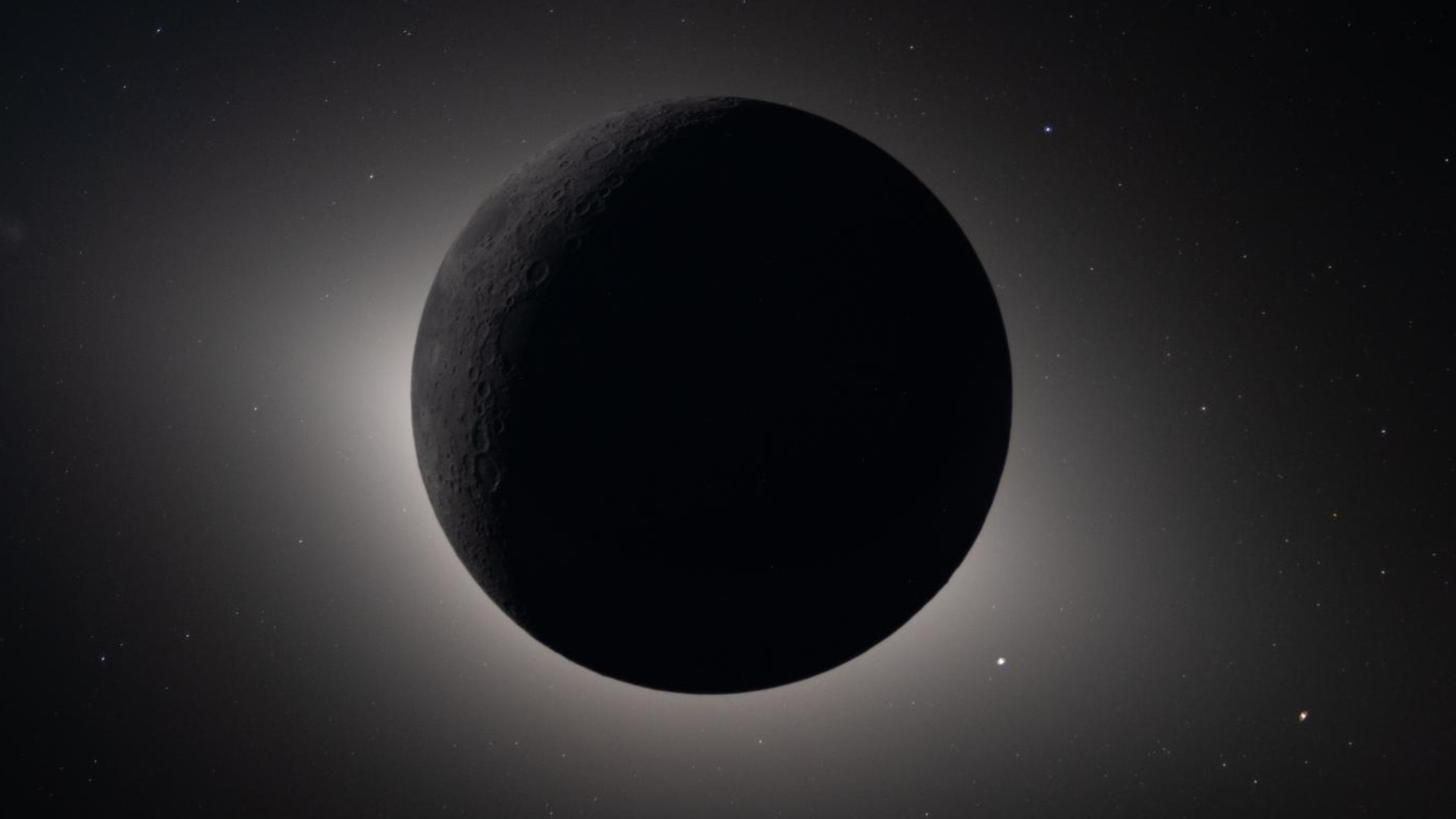
As part of the mission’s scientific output, NASA recently released images captured during a seven-hour flyby of the Moon’s far side, including regions no human has previously seen and a rare in-space solar eclipse. These visuals contribute to understanding the Moon’s terrain and inform planning for future lunar missions. Apart from visual data, there are other areas where this mission will add to the limited data, such as crew health, Optical communications, operational data about human travel in deep space, among others.
Artemis II is also a part of a larger international race into lunar exploration.
On August 23, 2023, Chandrayaan-3 achieved a historic milestone in exploring the lunar surface and collecting invaluable scientific data, making India the fourth country to land on the moon and the first to reach close to the lunar south pole.
Then in 2024 China's Chang'e-6 retrieved samples from the far side in 2024. It was the sixth robotic lunar exploration mission by the China National Space Administration (CNSA) and the second CNSA lunar sample-return mission.
The Artemis mission was launched in 2022 as the first in a series of increasingly complex missions that will enable human exploration at the Moon and future missions to Mars. This was a mission without astronauts that orbited the Moon, an uncrewed lunar flight test.
NASA has eyes on the first Artemis lunar landing by early 2028 and first lunar surface mission by late 2028, with subsequent missions planned roughly once per year, says its website.
Image description: The dark portion of Earth experiencing nighttime. On its day side, swirling clouds are visible over the Australia and Oceania region. In the foreground is the Ohm crater shows terraced edges and a relatively flat floor marked by central peaks, formed when the surface rebounded upward during the impact that created the crater | Image: NASA
Read More Stories

NEPSE rises 28 points as trading activity improves
The stock market rebounded on Friday, with the NEPSE index gaining 27.94 points,...

Government estimates NRs 723 billion needed to rebuild flood-damaged areas
The government has estimated that NRs 723.31 billion will be required to rebuild...

Market falls by double digit for second session as turnover declines
The stock market extended its decline for a second consecutive session on Thursday,...