
What we do is costly! Your support will help us dig more stories.
Yes, I'm Interested!Ignorance isn't always bliss | Don't stay foolish.
Keep informed | Read our news and analysis.
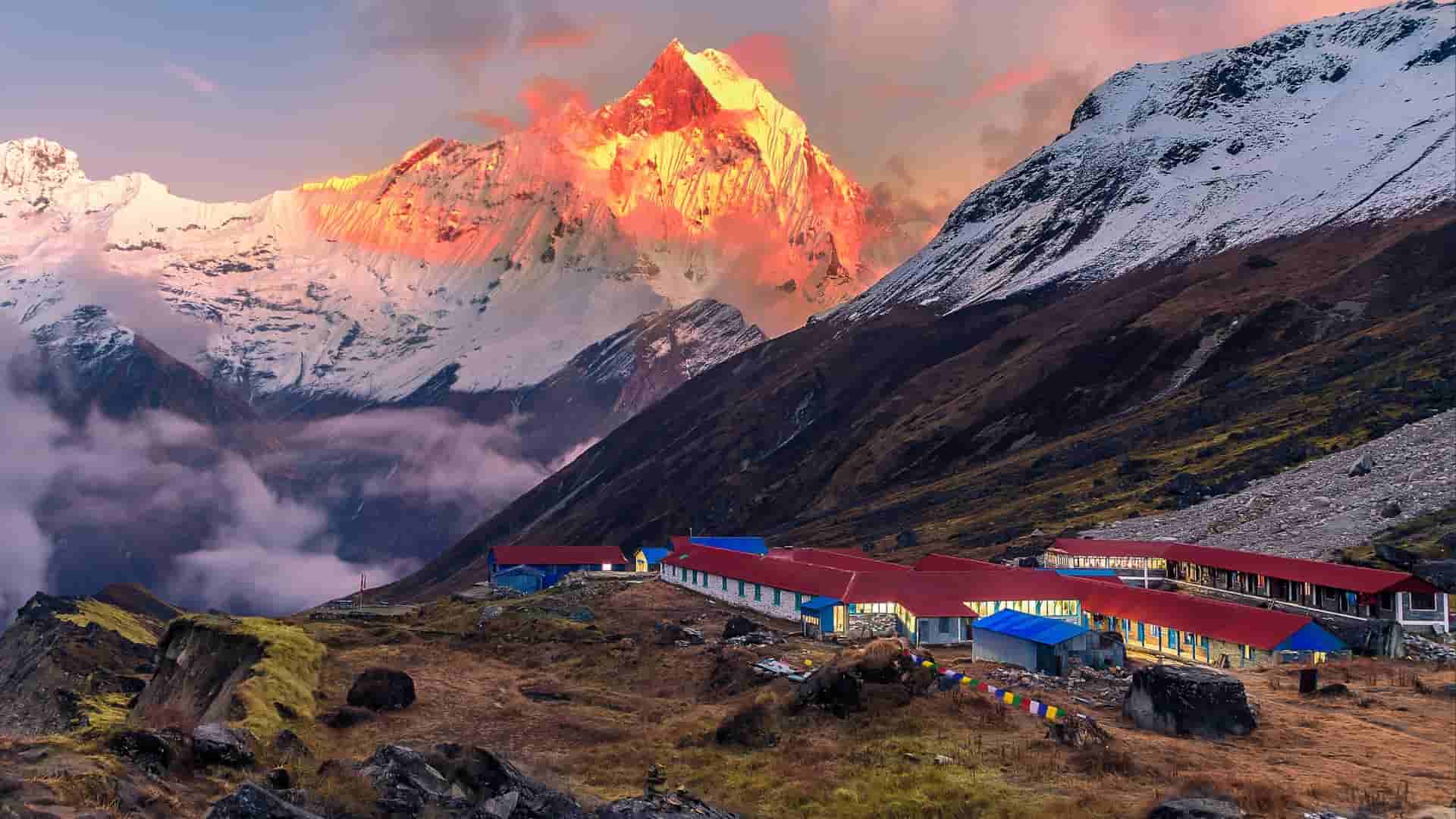
A total of 25 tourists died from altitude sickness while travelling in the Annapurna region during the fiscal year 2025/26, according to the Annapurna Conservation Area Project (ACAP).
The deceased included 12 Nepali nationals, nine Indians, and one each from Japan, Mexico, Spain and Singapore.
Of the total deaths, 15 occurred in Mustang, eight in Manang, one at Annapurna Base Camp and one on the Mardi Himal trekking route. Among the deceased Nepalis were four trekking guides and porters, said ACAP Chief Dr. Rabin Kadariya.
In the same period, five other tourists lost their lives in falls and other trekking-related accidents. An Indian tourist died during heavy snowfall while trekking in Manang. An Australian climber died while descending from Himlung Himal in Manang. A Nepali trekker died on the Mardi Himal trail, while a German national died while trekking to Khopra Lake in Myagdi.
According to ACAP, cases of altitude sickness are most common in the higher elevations of Mustang and Manang. The region recorded 21 altitude sickness-related deaths in fiscal year 2023/24 and 19 in 2024/25.
Dr. Kadariya said Nepali and Indian pilgrims travelling by road directly to the high-altitude pilgrimage site of Muktinath are particularly vulnerable to altitude sickness.
“Travellers heading to the high Himalayas should avoid ascending too quickly and should allow time for acclimatisation with regular rest stops,” he said. “If symptoms of altitude sickness appear, they should immediately descend to a lower elevation.”
Similarly, fatal falls also continue to occur every year. ACAP advises trekkers undertaking long-distance hikes to travel in groups or with a licensed guide rather than alone.
Guide Diwas Gurung said travelling by vehicle directly from low-altitude areas to high-altitude destinations such as Muktinath significantly increases the risk of altitude sickness. He stressed that gradual acclimatisation and adequate rest are the best ways to prevent the condition.
He also recommended that trekkers avoid ascending more than 500 metres in elevation per day.
Read More Stories

NEPSE rises 28 points as trading activity improves
The stock market rebounded on Friday, with the NEPSE index gaining 27.94 points,...

Government estimates NRs 723 billion needed to rebuild flood-damaged areas
The government has estimated that NRs 723.31 billion will be required to rebuild...

Market falls by double digit for second session as turnover declines
The stock market extended its decline for a second consecutive session on Thursday,...